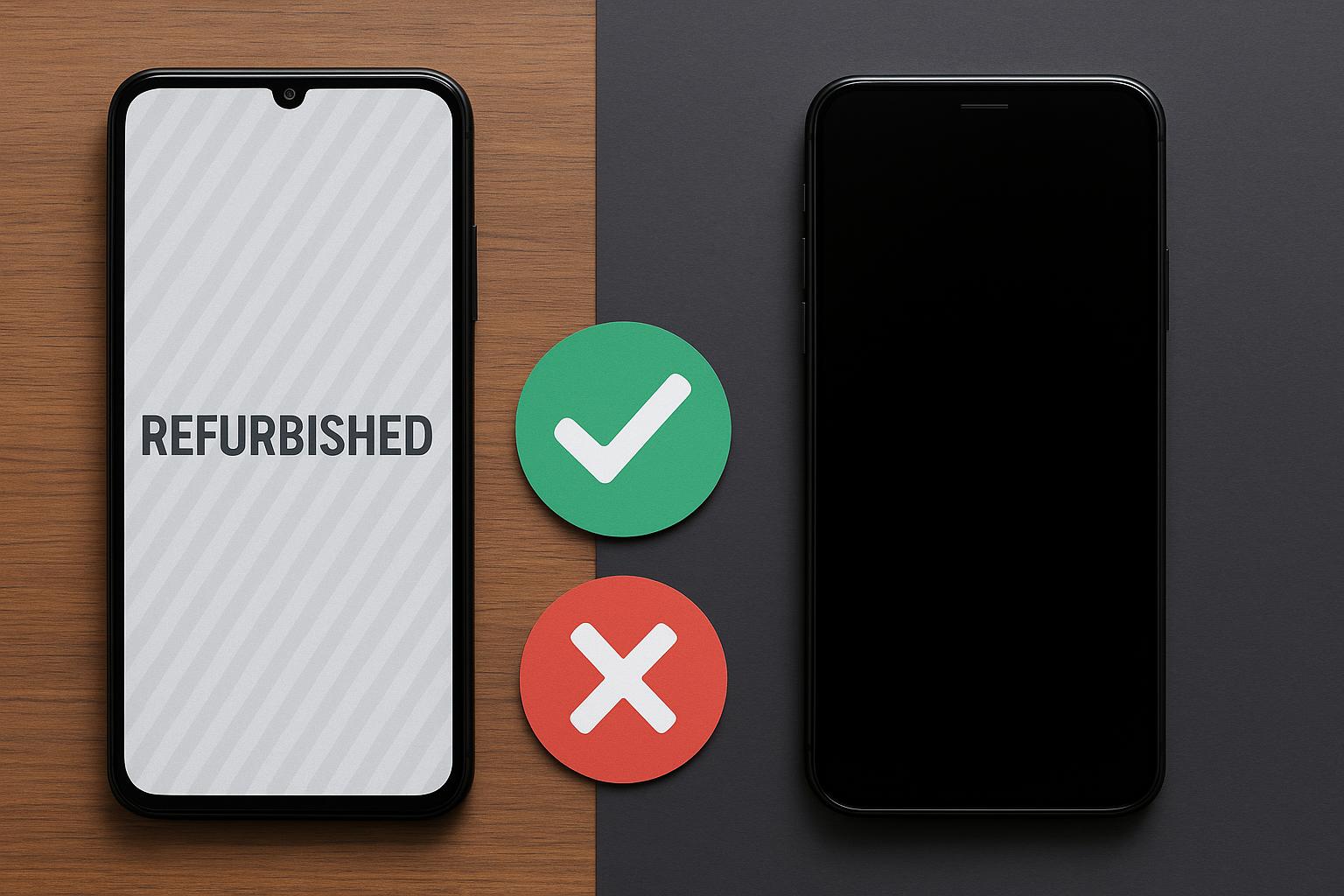
Smartphones have become essential tools for communication, work, banking, entertainment and much more. But with flagship models often costing well over a thousand dollars, buying a new phone can be a significant expense. That’s why more Australians are considering refurbished phones as a more affordable alternative.
Refurbished smartphones can offer excellent value, giving buyers access to premium devices at lower prices. Even previous-generation flagship models, such as the Galaxy Note 20 Series, can still offer large screens, capable cameras and productivity features that suit many users. But how do refurbished phones compare with brand-new devices? The answer depends on your budget, needs and priorities.
What is a refurbished phone?
A refurbished phone is a device that has been previously owned, returned or used for demonstration purposes, then inspected, repaired if necessary and restored to working condition.
Refurbished phones typically undergo testing to check functions such as the screen, battery, cameras, speakers, microphones and connectivity. Some may have minor cosmetic wear, while others may look almost new. The quality of refurbishment can vary depending on the seller, so buying from reputable retailers is important.
The benefits of buying new
Buying a brand-new phone offers several advantages. New devices come with the latest technology, the newest operating system and the longest period of software support. You’ll be the first owner, so there’s no wear and tear, and batteries are at full capacity.
New phones typically include a full manufacturer warranty and may come with promotional offers, trade-in deals or bundled accessories. If you want the latest camera technology, fastest processor or newest features, buying new may be the best option.
The benefits of buying refurbished
The biggest advantage of refurbished phones is cost savings. Buyers can often purchase a high-end device for significantly less than the price of a new one.
This allows people to access premium features, such as better cameras, larger screens and more powerful processors, without paying flagship prices. Refurbished phones are also more sustainable. Extending the life of an existing device reduces electronic waste and the environmental impact associated with manufacturing new phones.
For many users, a slightly older flagship model may perform better than a new budget phone, offering excellent value for money.
Things to check before buying refurbished
Not all refurbished phones are the same, so it’s important to do your research. Check the battery health, as batteries naturally degrade over time. Some sellers replace batteries during refurbishment, while others provide information about battery capacity.
Look at the device’s condition grading. Retailers often use categories such as excellent, very good or good to indicate cosmetic condition. Confirm what accessories are included, such as chargers, cables or cases.
Make sure the phone isn’t network-locked and is compatible with your mobile network. Check that it isn’t blacklisted or locked to another account. Warranty coverage is especially important. Reputable sellers usually provide a warranty and return policy.
Software support, performance and long-term value
Software updates are essential for security, performance and new features. Newer phones generally receive updates for longer than older models. Before buying a refurbished phone, check how long the manufacturer is expected to continue providing software and security updates. A device nearing the end of its support period may still work well but could become less secure over time.
Older flagship phones often remain capable devices for everyday tasks such as messaging, browsing, streaming, photography and productivity. However, newer phones may offer improvements in battery life, processing power, camera technology and connectivity, such as support for the latest network technologies. Consider how you use your phone. If you mainly use it for calls, messaging, social media and email, a refurbished flagship may be more than enough. If you’re a heavy gamer, professional content creator or tech enthusiast, a new device may better meet your needs.
When comparing value, look beyond the initial price. Consider how long you plan to keep the phone, the expected software support period, warranty coverage and potential resale value. A new phone may cost more upfront but offer a longer lifespan. A refurbished phone may provide immediate savings and still deliver several years of reliable use.
Choosing the right option
There’s no single answer to whether refurbished or new phones offer better value. The right choice depends on your budget, priorities and expectations. If you want the latest technology and longest support, buying new may be worthwhile. If you’re looking for premium features at a lower price and want to reduce environmental impact, a refurbished phone can be an excellent choice.
Refurbished and new phones both have advantages. By considering your budget, how you use your phone and the importance of features, warranty and software support, you can choose a device that delivers the best value for your needs.