Do you love to travel? Most people do, and we’re sure you’re one of them. Unfortunately, traveling isn’t always the enjoyable experience it should be. Travel should be an opportunity to discover new scenery, enjoy fresh and meaningful communication, and find peace of mind. For people with permanent hearing loss, however, traveling can often be an uncomfortable experience rather than an enjoyable one. If you’re someone with hearing loss who loves to travel, this post is for you.
If you have permanent hearing loss, hearing aids are an essential part of your daily life. They’re practically your “lifeline,” and you should never really be without them. Long trips can be challenging because you need to make sure your hearing aids have enough battery power to last until the end of your journey. You may have prepared carefully before your trip, but sometimes the anxiety about battery life simply doesn’t go away. The fear of running out of power in the middle of a crowded airport or in a remote corner of a train station can strike at any time—and that’s understandable.
Fortunately, modern hearing technology is very different from what it used to be. Today, you can choose high-quality rechargeable hearing aids, and the rest comes down to maintaining good charging habits. This can significantly reduce battery anxiety and help ensure that you continue to hear clearly from the beginning to the end of your trip. So, here’s a detailed explanation. After reading this guide and sticking to the recommended charging habits, we’re confident you’ll be able to reduce battery anxiety on your future travels. Keep reading!
Rechargeable Hearing Aids: Why Are They Better?
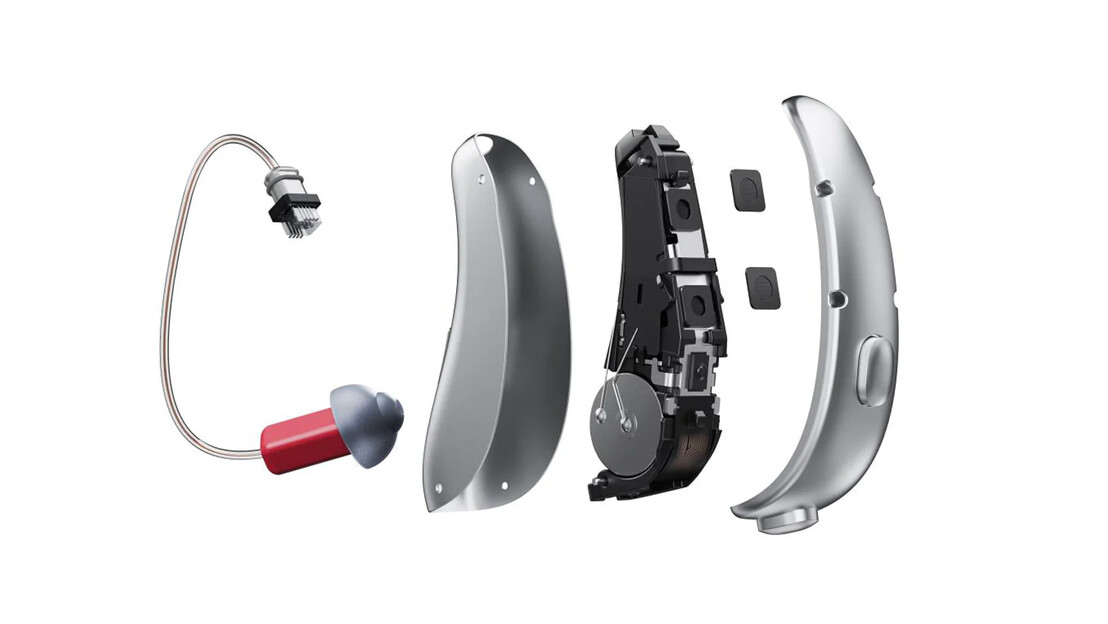
There’s always a reason for everything, including why rechargeable hearing aids can be a better choice than disposable-battery models. By “disposable,” we mean hearing aids that use traditional disposable zinc-air batteries. In many respects, these can be less convenient than lithium-ion rechargeable models. With lithium-ion batteries, you can recharge your hearing aids during your travels, so you don’t have to worry about them losing power in the middle of your journey.
- No need to deal with tiny batteries: Yes, replacing disposable zinc-air batteries can be a hassle and may even inconvenience the people around you. Imagine your tiny batteries falling onto the floor because of a jolt on the train, forcing you to search for them underneath someone else’s seat.
- Reliable in different weather conditions: Disposable batteries typically rely on air vents, which means their performance can be affected by changes in humidity or altitude. Rechargeable batteries, on the other hand, are typically housed in sealed designs, making them more resistant to changes in humidity as well as dust exposure. After all, you can’t guarantee that every travel condition will be perfect.
- Cost-effective and environmentally friendly: Rechargeable batteries can be charged again and again, so you don’t need to purchase batteries as frequently. You may only need to replace the rechargeable battery after several years. When you consider the cost over time, this can result in significant savings. From an environmental perspective, using a few rechargeable batteries over several years generally creates much less waste than going through hundreds of disposable batteries.
| Feature | Rechargeable Hearing Aids | Alat Bantu Dengar Baterai Sekali Pakai |
|---|---|---|
| Power Source | Built-in lithium-ion battery | Zinc-air button batteries |
| Travel Convenience | USB charging or portable charging case | Requires extra packs of spare batteries |
| Moisture Resistance | High (sealed housing) | Moderate (more vulnerable through the battery compartment) |
| Battery Life | 20–30+ hours per charge | 3–7 hari per set of batteries |
Smart Travel Tips for Different Situations
Keep in mind that each mode of transportation has its own characteristics, which directly affect the acoustic environment and create different power-management challenges. You may not be able to apply the same power-management strategies you normally use on an airplane to a train journey. Here are some points we recommend keeping in mind:
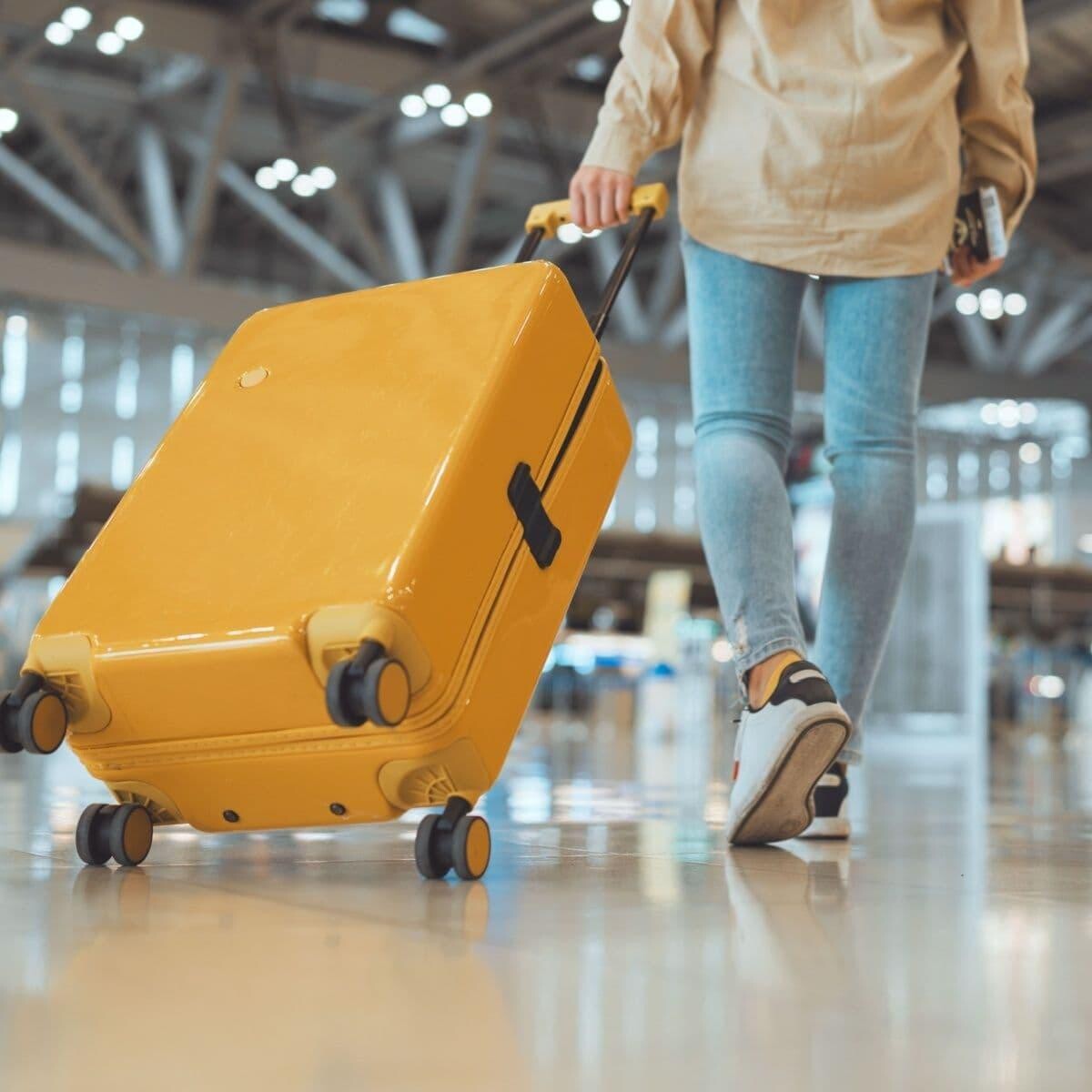
- Long-Haul Flights and Airport Security: Without exception, all airports are high-noise environments, making it very possible to miss important announcements. Come on—even “people with normal hearing” often miss important announcements! If you’re traveling by air, you don’t need to remove your hearing aids before going through a metal detector. Simply let the security officer know beforehand that you have permanent hearing loss. In most cases, they will allow you to go through the detector without removing your hearing aids. It’s important to pack your portable charging case in your carry-on bag. Never make the mistake of putting it in your checked luggage. Finally, try to avoid doing “nonessential activities.” In other words, hold off on watching videos or streaming content unless it’s truly necessary. You can always do that at the hotel, right?
- High-Speed Train Travel: Noise levels on trains tend to fluctuate, especially when traveling through tunnels. Most trains have USB ports or standard power outlets at each seat, so you can travel with peace of mind. If necessary, you can use a smartphone app that activates an outdoor listening profile to reduce cabin noise when you need clearer sound.
- Cross-Regional Road Trips: During a road trip, you need to maintain steady focus and clear communication with your fellow passengers. It’s important to bring a 12V USB adapter and make sure your charging base stays fully charged when you’re camping. And never leave your hearing aids on the dashboard in direct sunlight, as extreme heat can reduce the capacity of the lithium-ion batteries inside them over time. However, if you’re driving in cloudy or rainy weather, leaving your hearing aids on the dashboard shouldn’t be a problem.
Key Strategies for Managing Battery Anxiety While Traveling
At the heart of it all is preparation—and more preparation! You should bring the best rechargeable hearing aids that come with or are compatible with a portable charging case capable of providing enough power for several full charges. That way, you don’t have to rely on electrical outlets. Based on our experience, Yeasound rechargeable hearing aids are among the best options. When paired with their portable charging case, they can provide all-day use.
Next, make charging your hearing aids every night a habit. Before going to bed, make sure you remember to charge your hearing aids so they’re ready to go when you wake up the next morning. Whenever possible, take advantage of fast charging. For example, just 15 or 30 minutes of charging can typically provide an additional 3 to 4 hours of use.
Finally, have your hearing checked regularly. If you feel that your hearing is getting worse, schedule a consultation with your doctor as soon as possible. You can also use this online hearing test when you don’t have enough time for an in-person consultation.