


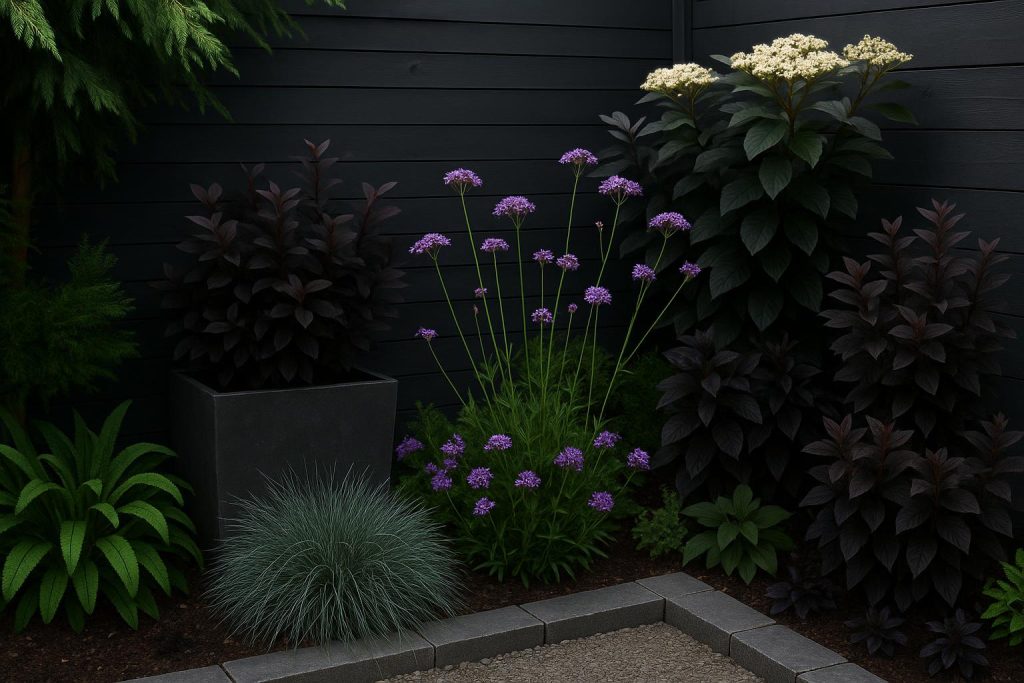
In the realm of garden design, the allure of lighter shades often takes precedence, evoking notions of brightness and spaciousness. However, the untapped potential of darker colours is a trend that’s gaining momentum among landscape enthusiasts. From charcoal-hued fences to midnight-toned flower beds, the strategic use of deeper shades can transform outdoor spaces, imbuing them with a sense of drama, sophistication, and even tranquillity. Contrary to common belief, incorporating darker colours into garden projects does not necessarily diminish light or create a gloomy atmosphere; instead, it fosters depth, contrast, and a striking visual impact.
Even small garden improvements can have a noticeable impact when they are planned carefully. The best updates combine attractive design with practical benefits, helping the space feel more private, easier to maintain and more enjoyable for everyday use.
Exploring the Depths of Darker Hues
Dark colours possess a unique ability to anchor a garden’s design scheme, providing a rich backdrop against which foliage, flowers, and architectural elements can flourish. Deep greens, indigos, purples, and even blacks can add depth and dimension to outdoor spaces, creating a sense of intimacy and cosiness. When used strategically, darker hues can visually expand smaller areas by receding into the background, while simultaneously drawing attention to focal points and features. Moreover, darker colours have a transformative effect on the perception of temperature, with darker surfaces absorbing more heat during the day and radiating warmth during cooler evenings, thus extending the usability of outdoor spaces beyond the summer months.
Darker coloured flowers add drama and sophistication to any garden, creating striking contrasts and captivating focal points. Varieties like deep purple pansies, black dahlias, and burgundy roses bring rich hues that intensify garden beds and borders. These darker blooms often evoke a sense of mystery and elegance, making them ideal for creating moody or romantic atmospheres in landscapes. Additionally, they can complement lighter-coloured flowers and foliage, creating visually dynamic arrangements. While some darker flowers may require specific growing conditions or care, many are resilient and adaptable to various climates. Incorporating these darker floral selections into your garden can elevate its overall appeal and provide year round interest, especially when combined with complementary plants and design elements.
The Allure of Black Decking
Among the myriad options for incorporating darker colours into garden projects, black decking stands out as a bold and contemporary choice. Black decking boards, typically made from composite materials or stained timber, offer a sleek and sophisticated aesthetic that’s both striking and versatile. Contrary to concerns about overheating, black decking can be cooler underfoot than lighter alternatives, as it absorbs less heat from the sun. Moreover, black decking provides an elegant backdrop for outdoor furniture, planters, and accessories, allowing them to pop against the dark canvas. Additionally, black decking requires minimal maintenance, with stains and dirt less visible compared to lighter surfaces, making it an attractive option for busy homeowners seeking both style and practicality in their outdoor spaces.
Timber and composite decking offer distinct advantages and considerations for outdoor spaces. Timber decking exudes a natural aesthetic, with each plank possessing unique grain patterns. It provides a traditional look and can be stained or painted to suit personal preferences. However, timber requires regular maintenance, such as sealing and staining, to prevent rot, warping, and insect damage. In contrast, composite decking is engineered from a blend of wood fibres and recycled plastics, offering durability and low maintenance. It resists rot, fading, and insect infestation without the need for constant upkeep. Composite boasts longer lifespans and comes in a variety of textures to mimic wood grain. Ultimately, the choice between timber and composite decking depends on priorities regarding aesthetics, maintenance, and longevity. You can also buy composite decking with the darker tone readily imbued into the board, removing the need for painting.
Black Fencing – A Sumptuous, Modern Canvas
Black fencing adds a touch of contemporary elegance and sophistication to your garden, making a bold statement that sets your outdoor space apart. Unlike traditional wooden fencing, black fencing offers a sleek and modern aesthetic that complements a variety of design styles, from minimalist to industrial. It serves as a striking backdrop for vibrant foliage and flowers, creating a visually stunning contrast that enhances the beauty of your garden.
Additionally, like with decking, black fencing requires minimal maintenance and is less prone to showing dirt and stains compared to lighter alternatives, ensuring your garden looks effortlessly chic all year round. Should you want to put down the paintbrushes, you can purchase composite fencing for ease of installation, with the darker tones already dyed into the material of the board.
Strategies for Incorporating Darker Colours
When incorporating darker colours into garden projects, balance is key. Too much darkness can overwhelm the senses and create a sense of enclosure, while insufficient contrast may result in a lacklustre or monotonous appearance. One effective strategy is to pair darker elements with lighter accents to create visual interest and balance. For instance, a charcoal-coloured fence can be offset by vibrant flowers or white decorative features, creating a striking contrast that enlivens the space.
Similarly, dark-hued foliage such as burgundy or deep purple plants can be interspersed with lighter greenery to create depth and texture. By playing with contrasts and textures, gardeners can harness the power of darker colours to create dynamic and captivating outdoor environments.
Harnessing the Power of Contrast
In addition to providing aesthetic appeal, darker colours can also be used strategically to highlight architectural features and create focal points within the garden. For example, painting or cladding a garden shed or pergola in a dark hue can make it stand out against the surrounding foliage, adding visual interest and depth to the landscape.
In the same vein, incorporating dark-coloured pots or planters can draw attention to prized specimens or seasonal displays, creating a sense of drama and sophistication. By leveraging the power of contrast, gardeners can elevate their outdoor spaces from ordinary to extraordinary, creating visually stunning landscapes that captivate the senses and inspire awe.
Conclusion
In the ever-evolving world of garden design, the allure of darker colours offers a refreshing departure from traditional approaches, inviting gardeners to explore new possibilities and express their creativity. From black decking to charcoal fences and beyond, the strategic use of darker hues can transform outdoor spaces, imbuing them with drama, sophistication, and character. By embracing darkness, gardeners can unlock the full potential of their landscapes, creating dynamic and captivating environments that delight the senses and inspire awe. So why not step into the shadows and discover the transformative power of darker colours in your next garden project?
For commercial gardens, hospitality venues and larger outdoor projects, the finishing details can be just as important as the main structure. Traditional signage can add character to entrances, garden rooms or hospitality spaces; while digital signage can help commercial venues share opening times, menus, promotions or visitor information clearly; while efficient hand dryers can support cleaner, lower-maintenance washroom facilities in public-facing outdoor settings.